
If you are selling online in India, this question has probably crossed your mind more than once. Is e-commerce actually profitable anymore?
You see orders coming in. You see sales numbers growing. But the money left at the end never feels enough.
Some days you think competition is the problem.
Some days you blame fees, ads, or returns.
Some days you wonder if you are doing something wrong.
In 2026, this doubt is common among sellers. The market feels crowded, costs feel heavier, and profit feels harder to hold.
So let’s talk honestly. Is e-commerce still profitable in India, or does it only look good on the dashboard? This article is a reality check meant to separate assumptions from how the business actually works today.
The Question Every Seller Is Afraid to Ask

Most sellers never ask this question out loud. They think it quietly while checking their reports, settlements, or bank balance.
“Am I doing something wrong, or is e-commerce itself the problem?”
You hesitate to say it because others seem confident. You see screenshots of sales, hear success stories in YouTube videos and WhatsApp groups.
So you keep going.
You adjust prices.
You spend on ads.
You tell yourself the next month will be better. But the doubt does not disappear.
If this business is really profitable, why does it feel so difficult to keep money in hand, even when orders are coming in?
Why This Question Exists in the First Place
This question exists because reality does not match expectations. Most sellers entered e-commerce with a simple idea. List products, get orders, earn profit.
What they experience instead is layered costs, returns, ads, and constant pressure to reduce prices.
Sales look healthy on the screen, but the cash left behind feels limited. The difference between what sellers expected and what actually happens creates confusion. When effort increases but clarity does not, confusion slowly turns into doubt.
Short Answer: Yes, But Not the Way Most Sellers Expect
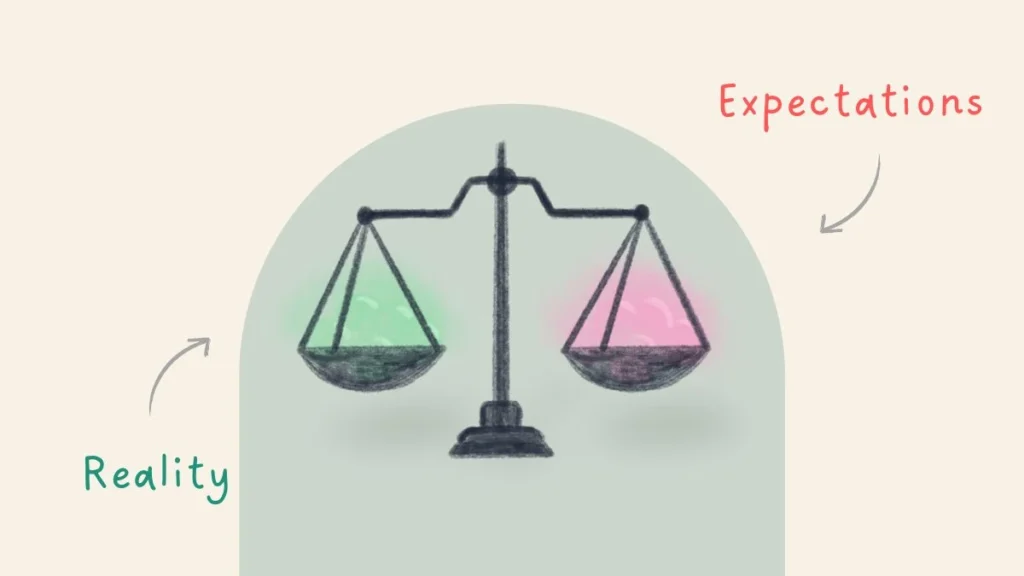
Yes, e-commerce in India is still profitable. But it does not work the way most sellers imagine when they start.
Profit today is not automatic, and it is not guaranteed by sales alone.
Earlier, sellers could survive with rough pricing and minimal planning. In 2026, that approach fails quickly. Markets are mature, costs are layered, and even small mistakes become expensive.
The right approach now is not chasing more orders. It is understanding costs, controlling risk, and making decisions with clarity.
In today’s market, profit comes from discipline, not hope.
Why So Many Sellers Feel E-commerce Is No Longer Profitable
Many sellers feel this way because the market has changed, but their approach has not. Competition is higher, customers are more price-sensitive, and platforms control visibility. Strategies that once worked struggle in this environment.
Another reason is the heavy focus on revenue. Orders and sales numbers look encouraging on dashboards, but profit leaks quietly through fees, ads, shipping, and returns.
Over time, these small leaks add up.
When effort keeps increasing but money does not, frustration begins. That is when sellers start feeling that e-commerce itself has stopped working.
The Profit Problem Is Not E-commerce, It’s the Expectation Gap
The real profit problem is not the e-commerce model itself. It is the gap between what sellers expect and how the system actually works today.
Many sellers enter e-commerce believing it is a fast and flexible business. They expect quick profits, low risk, and easy scaling. That belief was partly true years ago, but it no longer reflects today’s reality.
In practice, e-commerce now operates as a tight-margin business.
Every decision affects profit. Pricing, ads, returns, shipping, and platform fees are all connected.
When sellers continue operating with old expectations, they make poor choices. They price low to feel safe, spend on ads without clear limits, and accept losses hoping conditions will improve.
This gap between expectation and reality creates disappointment. The business feels broken, even when the real issue is how it is being approached.
The Biggest Lie Sellers Are Told About E-commerce Profit
The biggest lie sellers are told is that profit will come automatically with time. They are encouraged to focus on sales first and worry about profit later.
In reality, time does not fix weak margins. If a product is losing money today, selling more of it only increases the loss. Scale amplifies mistakes. It does not correct them.
Another part of this lie is the belief that low margins are temporary. Many sellers keep waiting for a future where costs reduce and profit improves. In most cases, that future never arrives.
Profit in e-commerce is not a reward for patience. It is the outcome of correct decisions made early.
Who Is Still Making Money in E-commerce (And Why)
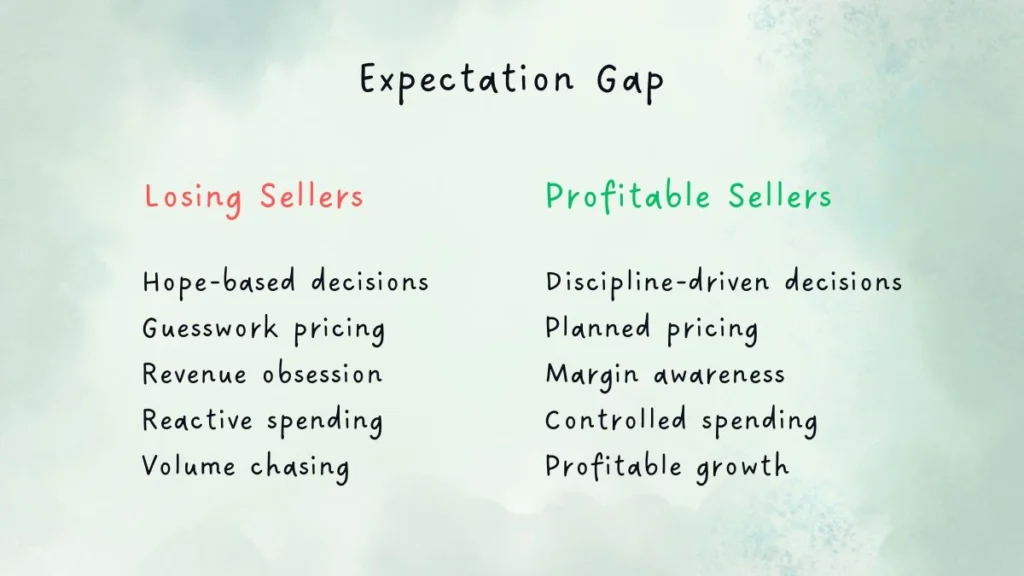
Sellers who are still making money treat e-commerce as a numbers-driven business. They do not rely on hope or assumptions. They understand where their money comes from and where it quietly leaks.
These sellers price with buffers, not optimism. They account for returns, ads, and platform fees before allowing growth. Scaling happens only when the math continues to make sense.
Most importantly, they say no more often than yes.
- They drop products that do not perform.
- They avoid chasing volume for ego or visibility.
Their profit comes from control, not excitement.
Who Should Seriously Re-think Selling Online
- If your entire strategy depends on being cheaper than others, profit will remain unstable and fragile.
- When fees, returns, and ad costs are ignored, losses stay invisible until they become too large to fix.
- Spending on growth without knowing your break-even point quickly destroys margins.
- Marketplaces are designed to optimize for volume and customer experience, not for individual seller profit.
- If you copy competitors without understanding your own margins, pricing becomes guesswork.
- If you continue selling loss-making products only because of hope, the business slowly drains without clear warning.
E-commerce Is Not a Scam – But It Is Not Forgiving Anymore
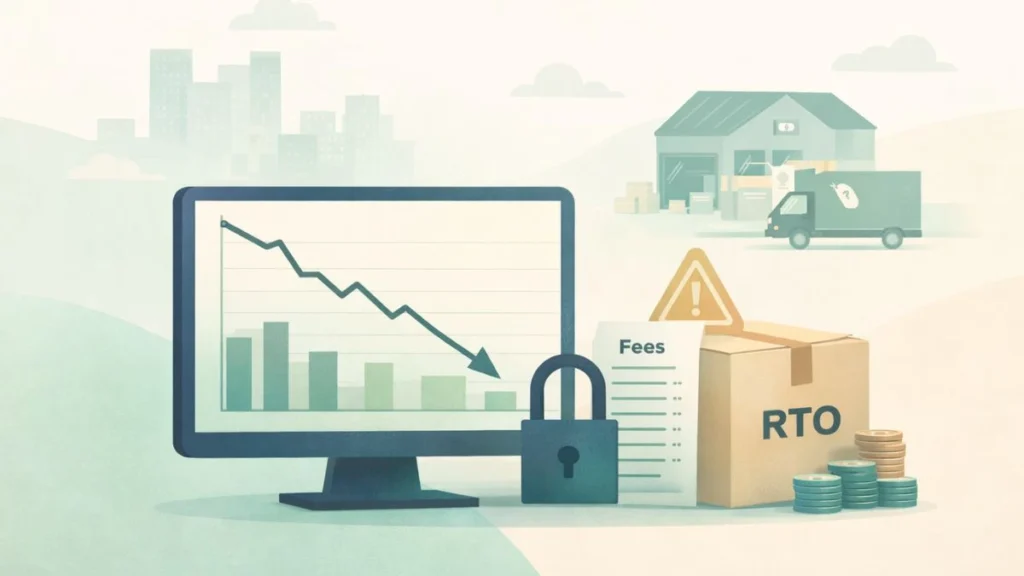
E-commerce is not a scam, but it is no longer easy money.
The system works, but only for sellers who understand and respect how it works. There is very little room for casual decisions now.
Small mistakes that once went unnoticed now show their impact quickly. Wrong pricing, ignored fees, or unmanaged returns can erase profit in a short time. The market does not offer many second chances.
This does not mean sellers cannot succeed. It means e-commerce now rewards discipline and clarity. Those who adapt survive. Those who rely on guesswork struggle.
If Not “Is E-commerce Profitable?”Then What Should You Ask?
Instead of asking whether e-commerce is profitable, ask better questions. The right questions give clearer answers than hope ever can.
- You should ask whether this product is profitable after all costs, not just on paper.
- You should ask how much loss you can afford before the situation becomes risky.
- You should ask what happens to your profit when returns or ad costs increase.
These questions shift your thinking from excitement to control. They help you see e-commerce as a system, not a gamble. When you ask the right questions, profit becomes a decision, not a surprise.
Conclusion
If e-commerce feels confusing or overwhelming, it does not mean you are incapable or too late. In most cases, it means you entered the business with expectations that no longer match today’s reality. The market has matured, costs are layered, and competition is sharper. That shift alone changes how profit is created.
E-commerce in India is still working, but it now behaves like a disciplined business rather than an easy opportunity.
Sellers who understand their numbers, respect margins, and control risk continue to make money. Those who rely on assumptions, copied strategies, or blind scaling struggle over time.
The real difference is not luck or timing. It is clarity.
When you understand where profit comes from and where it leaks, decisions become calmer and more confident.
E-commerce does not punish effort, but it does punish guesswork.


Pingback: Getting Orders but Still Losing Money in E-commerce?